Boundary Scripts Guide
Fifteen gentle, clear responses for the difficult conversations — from family and dating to work and co-parenting.
Download PDF
“Be gentle with yourself. Healing doesn't happen all at once.
 What Is Narcissistic Abuse?Understand the patterns, the tactics, and the impact of narcissistic abuse.Read More →
 Trauma Bonding ExplainedWhy it happens, why it's so hard to break, and how healing begins.Read More →
 Gaslighting: Why You Doubt YourselfLearn how gaslighting works and how to trust your reality again.Read More →
 Boundaries Without GuiltPractical scripts, examples, and exercises to help you protect your peace.Read More →
 What Healing Really Looks LikeRealistic expectations, setbacks, and the beauty of becoming you again.Read More →
This toolkit is designed for survivors who are healing from narcissistic abuse. Use what feels supportive. You are always in control.
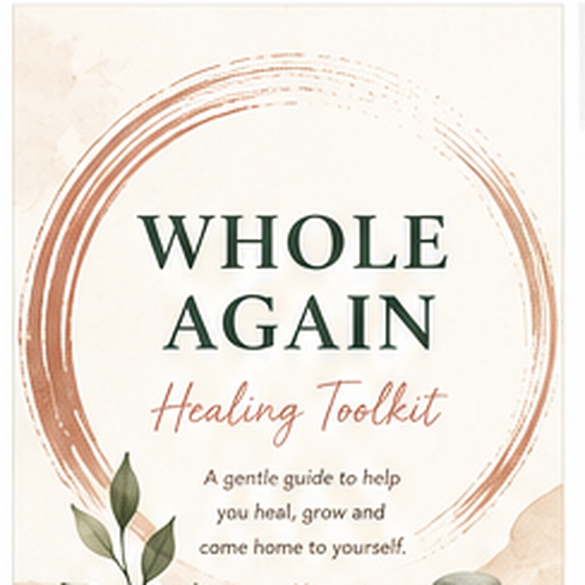
A gentle, 50+ page guided workbook — red-flag checklists, boundary scripts, nervous-system regulation tools, journaling prompts, and 30 affirmations to help you heal, grow, and come home to yourself.


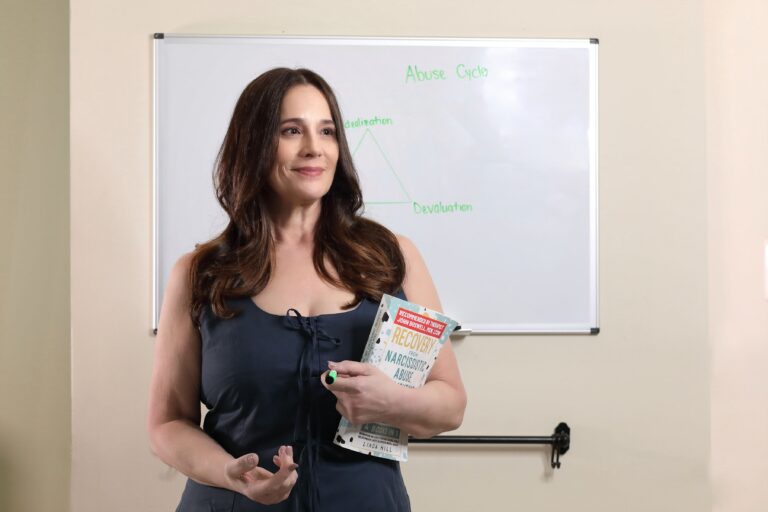
There is no right way to engage with these materials.
You’re welcome to:
If you are in crisis or feel unsafe, please reach out for help.
Free Healing Downloads
Worksheets, scripts, and reflection quizzes designed to support your healing — created to be used gently, at your own pace.
Fifteen gentle, clear responses for the difficult conversations — from family and dating to work and co-parenting.
Download PDFA self-reflection pause for the moments you're considering returning to what hurt you.
Download PDFTwelve grounding practices to help you feel safer inside yourself again.
Download PDFIs this love — or a trauma bond? A reflection quiz with healing-focused result tiers.
Download PDFWhat pattern keeps repeating? Identify your dominant relational pattern and a focus for healing.
Download PDFRecognize in-law family dynamics — a 15-question quiz with reflection-based result tiers.
Download PDFUnderstanding the patterns can bring clarity and language to experiences that have felt confusing. This is a gentle, educational overview of the presentations many survivors encounter.
Often openly arrogant, attention-seeking, dominant, and entitled. Grandiose narcissists tend to believe they are superior to others and crave admiration, power, and validation.
Common Traits
Often appears sensitive, insecure, misunderstood, or emotionally wounded. Manipulation may happen through guilt, victimhood, passive aggression, or emotional withdrawal.
Common Traits
One of the most emotionally destructive presentations. Combines narcissistic traits with cruelty, aggression, manipulation, and emotional abuse.
Common Traits
Seeks validation through appearing helpful, spiritual, generous, or morally superior.
Common Traits
Believes they deserve special treatment, admiration, and accommodation.
Common Traits
Displays narcissistic traits that may be less severe or harmful. Often focused on image, validation, or achievement while still maintaining some empathy.
Common Traits
Refers to narcissistic patterns passed through unhealthy family systems and generations.
Common Traits
Not all narcissistic individuals look the same externally. Some are loud, some quiet, some charming, some spiritually performative. The most important factor is the emotional impact left on others:
A gentle reminder: these descriptions are educational and informational in nature and are not meant to diagnose individuals with Narcissistic Personality Disorder (NPD). Only licensed mental health professionals can diagnose personality disorders.
Healing from narcissistic abuse often begins with understanding what happened. Many survivors spend years feeling confused, emotionally exhausted, disconnected from themselves, or questioning whether their experiences were real enough to matter. Learning the language of narcissistic abuse can help survivors validate their experiences, reduce self-blame, recognize unhealthy patterns, strengthen boundaries, and reconnect with their own reality again.
Understanding these terms can help survivors create clarity, rebuild self-trust, strengthen boundaries, support nervous system healing, and reconnect with themselves again.
You were not too sensitive. You were surviving emotionally harmful environments. Little by little, healing becomes visible. And little by little, you are becoming whole again.
With warmth and compassion,
Amy Carmen
“Trust the small steps, honor your journey, and remember hope has a way of growing, even in the quiet seasons.
Healing is not linear, but it is possible.
You are stronger than you know, and you don’t have to do this alone. You matter. Your healing matters.
Join Our Community